Play All Summer and Reap the Mental Health Benefits

It seems the word on everybody’s lips for the past few years has been “pivot”. All that pivoting is indicative of the constant change we’ve had to navigate in just about every aspect of daily life. With vaccines for under-5s on the horizon (huzzah!), there’s yet another wave of changes coming our way.
Kids have missed out on in-school learning and some of the important social development that comes from learning and playing with other kids. Caretakers have had the big responsibility of parenthood compounded by a myriad of other challenges – many are feeling the toll.
Now here’s some good news: play can help. Playing supports childhood development as kids practice motor and thinking skills and learn how to manage their emotions and maintain healthy relationships with their peers. (It’s good for grown-ups too!)
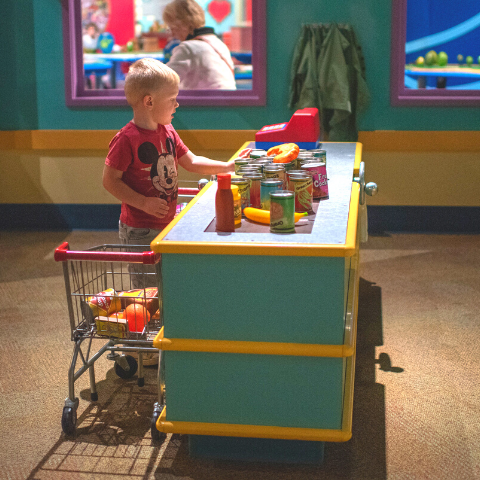
Playing gets kids’ imagination gears turning which in turn can help them process difficult emotions. “There are many accounts of children playing out challenges and traumas they have faced in different life experiences,” says child development expert Nancy Carlsson-Page, “children today who are experiencing the coronavirus pandemic need lots of imaginative play opportunities to help them make sense of the radical changes that have affected so many aspects of their lives. This is what will help them regain a sense of security for going forward.”
Play can help kids process hard situations now and bolster their mental wellness in the future. Researchers have found evidence that peer play ability in early childhood, or how well children play with others their age, may protect against mental health difficulties later in childhood. This was true for hyperactivity, conduct and emotional problems. The study is fascinating, and we hope you’ll take a look for yourself.
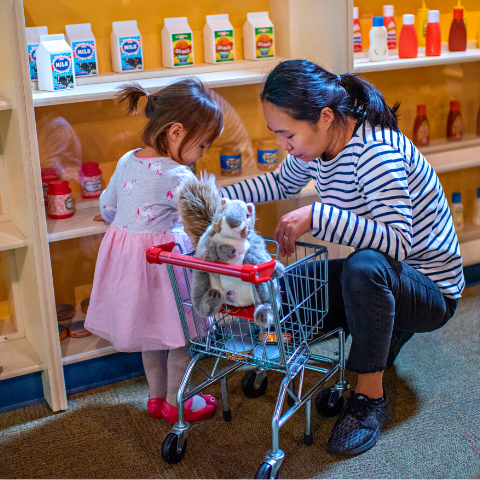
Play can also be helpful for adults! When parents engage in meaningful play with their kids they support both the child’s development and their own emotional well-being. Another recent study found that parents who engaged in parent-child play over 10 weeks experienced a decline in depressive symptoms. According to UNICEF, a 2018 study found that “9 in 10 parents say play is fundamental to their own happiness and makes them feel more relaxed, energized, and creative.”
We’ve all been going through it – it’s okay to say so. While quality play won’t solve all of our challenges, it is an important tool in our toolbox. When the going gets tough you can always turn to play for a boost.
RECENT POSTS