
Welcome to Ask Professor Labcoat, where the Children’s Museum of Atlanta answers YOUR science questions! One curious kiddo asked how much does planet Earth weigh? Kate (Professor Labcoat), our fun-loving, inquisitive and super smart Science Educator, gave this answer: There is no scale big enough to weigh the Earth, and the planet is zooming […]
View Resource
Ah, the moon. Our ever-present celestial companion. You might look up at it during a harvest moon and feel like you could reach out and pluck it from the sky. Other times, it looks so distant you can barely make out its crescent shape. But how far away from the earth is […]
View Resource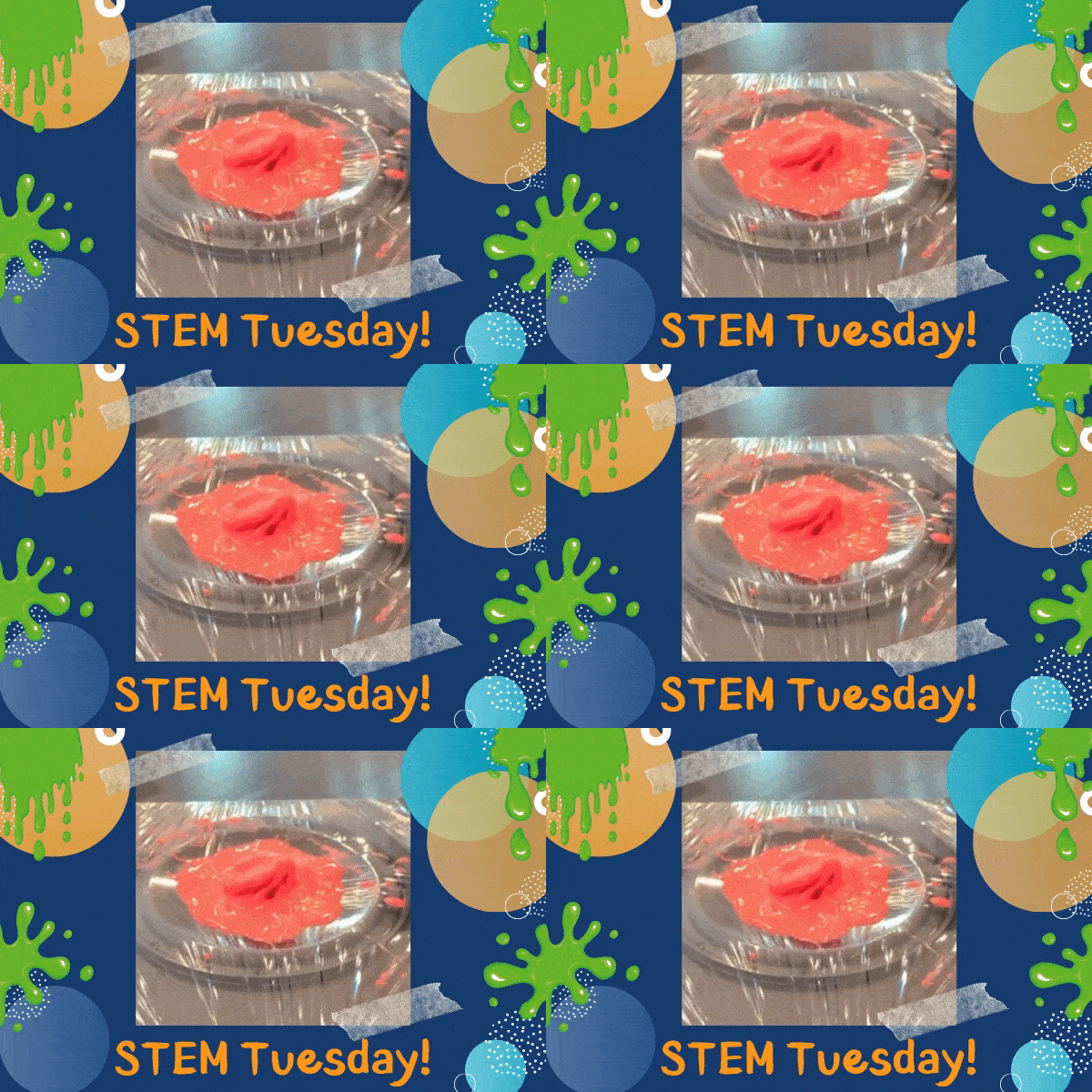
It’s a liquid! It’s a solid! It’s…oobleck! Let’s learn about this amazing non-Newtonian fluid named after the Seuss book Bartholomew and the Oobleck. So gather the materials below, follow the instructions, and let’s do some science!
View Resource
Welcome to Ask Professor Labcoat where Children’s Museum of Atlanta answers YOUR science questions! One of our friends wants to know how does water put out a fire? You might think that water and fire are opposites and that’s why water extinguishes fire. It makes sense, until you look a bit deeper at the chemistry […]
View Resource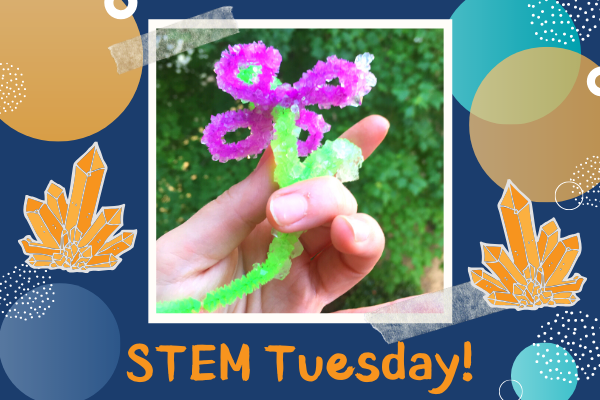
Have you ever stepped outside on a frosty morning and seen all the ice crystals around you? You might think it’s too warm for those crystals now, but today we’re going to make our own – and learn about chemical solutions in the process! Note: Grownups will need to help […]
View Resource
Welcome to Ask Professor Labcoat where Children’s Museum of Atlanta answers YOUR science questions! Our friend Bethany asks why do we need to wash our hands for 20 seconds? Kate (Professor Labcoat), our fun-loving, curious and brilliant Science Educator, gave this answer: Most scientific studies on the subject agree that vigorously scrubbing your hands for […]
View Resource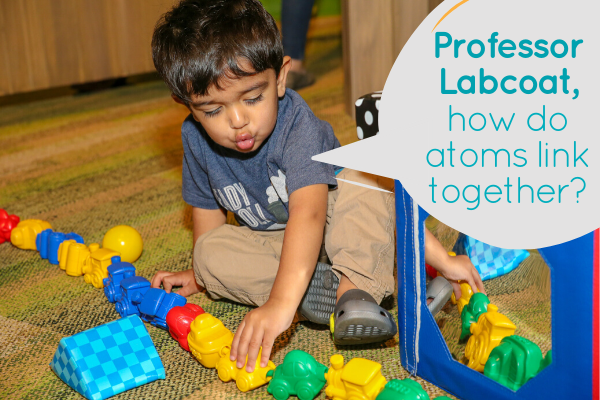
Welcome to Ask Professor Labcoat where Children’s Museum of Atlanta answers YOUR science questions! Rebecca wants to know how do atoms link together? Buckle up friends, because the answer to this question is really big for a subject so small. We’re talking about atoms. These are the real building blocks of the universe. Atoms link to other […]
View Resource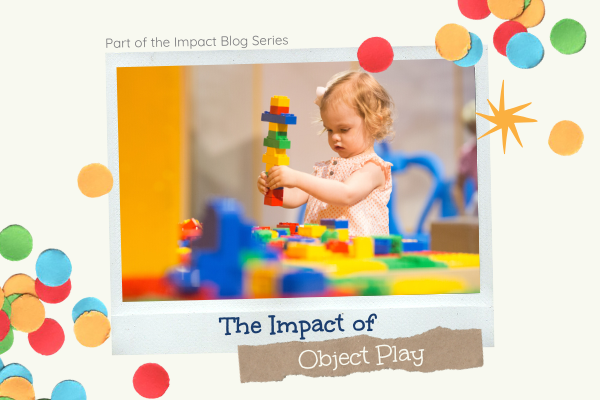
We all know play is crucial to a child’s development physically, socially and cognitively. Play is so important, in fact, that the United Nations recognizes every child’s right to play as an official human right. But did you know there are distinct types of play, each with their own characteristics and benefits? Little fingers […]
View Resource
The telling and reading of fairy tales has been around for nearly 6,000 years! These tales are ubiquitous to culture and can be found on nearly every continent. Not only do fairy tales and folklore carry on the culture of a region, but they are an important part of passing […]
View Resource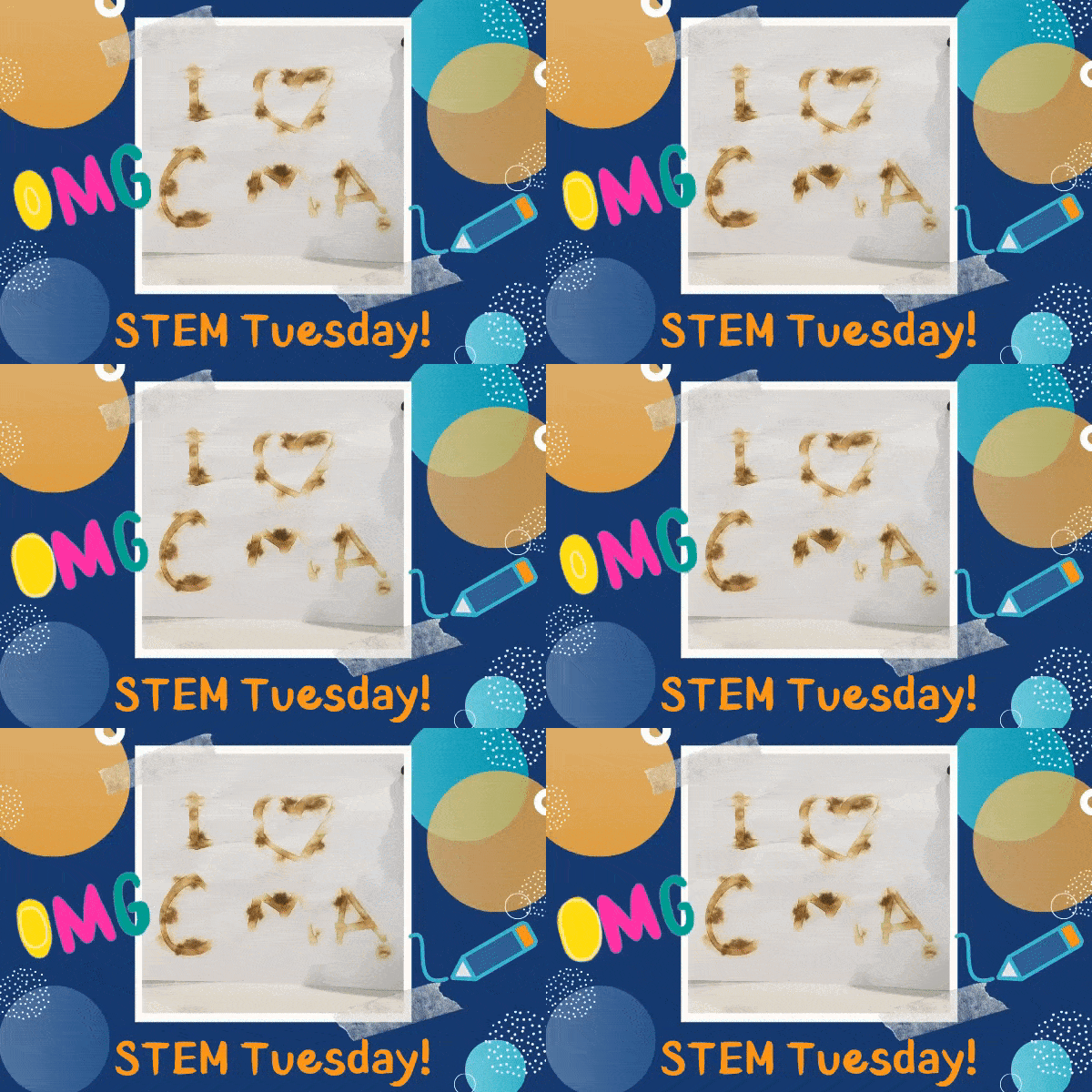
Get ready to become a super spy with today’s STEM activity! We’re going to write some top-secret messages in invisible ink, then use the magic of science to reveal what they say. Materials & Instructions Lemon juice A small bowl A q-tip Paper or a paper towel A hair dryer STEP […]
View Resource
Welcome to Ask Professor Labcoat where Children’s Museum of Atlanta answers YOUR science questions! Our friend Stacey wants to know what is snot? You might think it’s a booger but it’s snot! . . . A little mucous humor, anyone? Kate (Professor Labcoat), our brilliant, curious and delightful Science Educator, gave this answer: What we […]
View Resource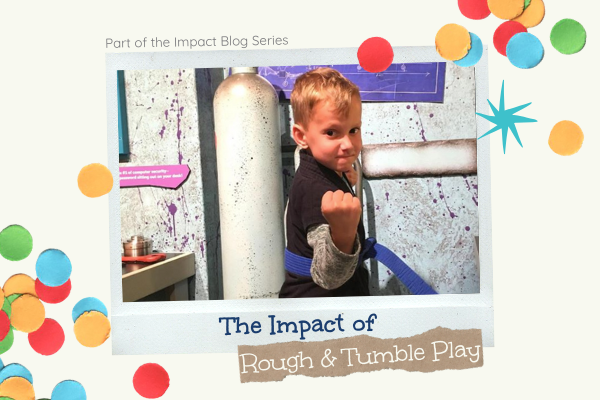
Rough and tumble play is all around us. Maybe you’ve noticed play wrestling, superhero battles replete with play punches and kicks or even a good old game of tag. Perhaps your little ones like to climb up and over their friends, tickle each other or spin themselves around. Each of these is an example of rough […]
View Resource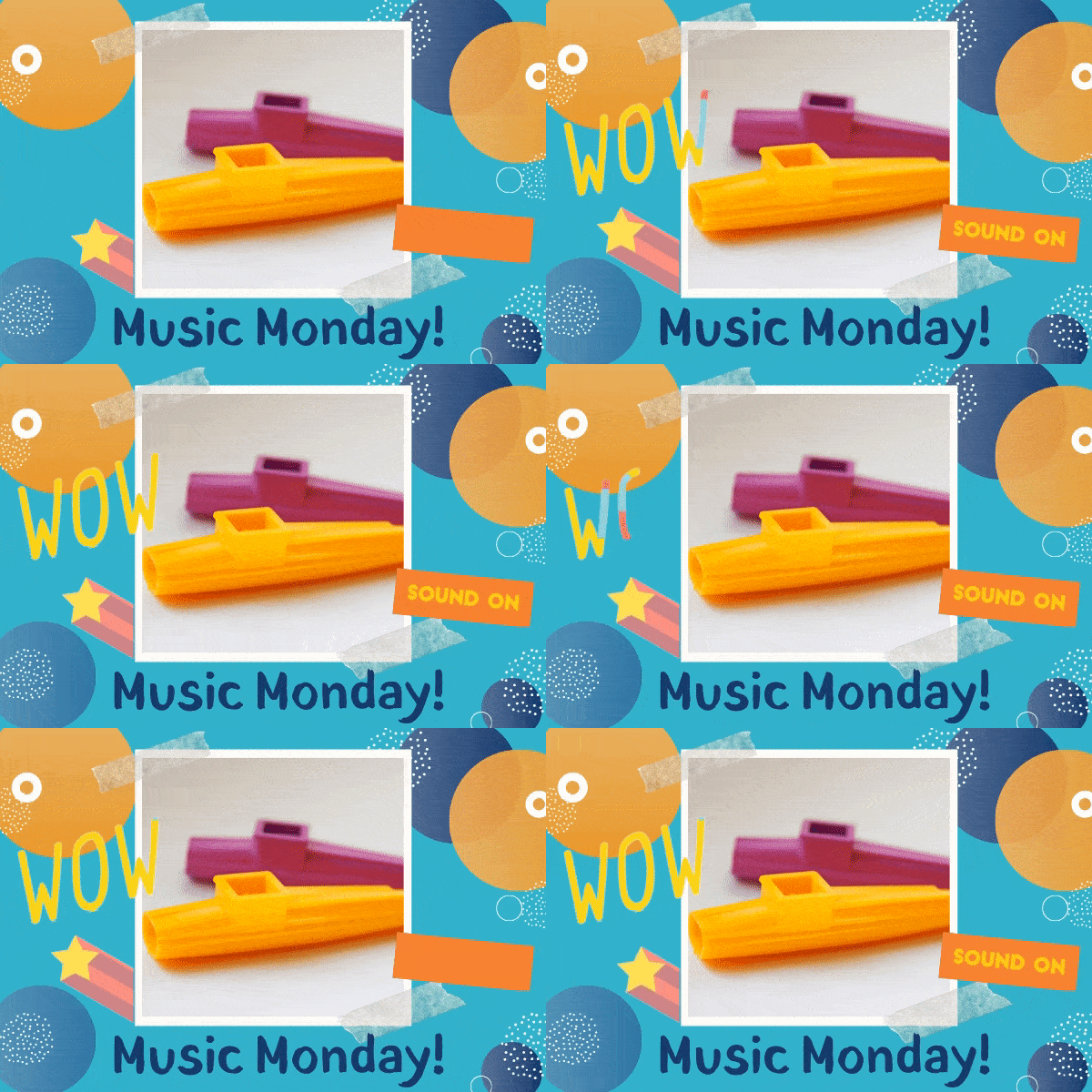
Today we’re going to make our own kazoo out of household objects. Make sure you also check out our previous blog posts on how to make a bean tambourine and coffee can drums! Materials & Instructions Cardboard tube (like a paper towel roll or toilet paper roll) Wax paper Rubber band A pen Markers […]
View Resource
At CMA we’re setting our sights on TinyCON™ and exploring just what it means to be super. What makes a hero a hero? We want to know! We might be used to thinking of superheroes as those with magical powers, super strength, or genius intelligence but heroes come in all shapes, […]
View Resource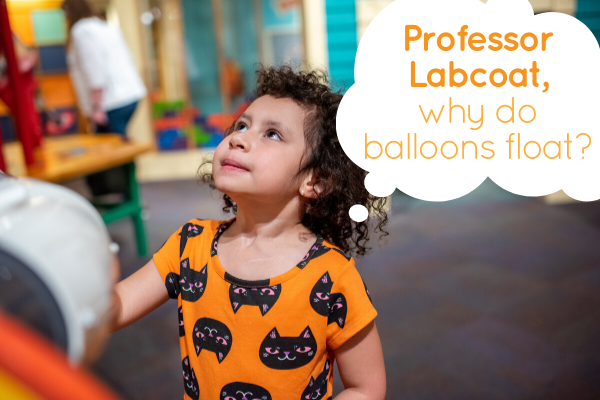
Welcome to Ask Professor Labcoat where Children’s Museum of Atlanta answers YOUR science questions! Our friend Liam wants to know why do balloons float? Kate (Professor Labcoat), our sharp, inquisitive and playful Science Educator, gave this answer: Balloons float because they are filled with helium! Balloons can be filled with different types of gas. The air […]
View Resource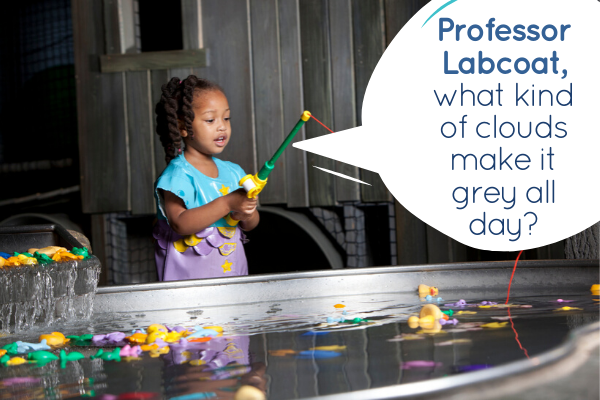
Welcome to Ask Professor Labcoat where Children’s Museum of Atlanta answers YOUR science questions! Our friend Sophia wants to know what kind of clouds make it grey all day? What better way to spend a warm spring day than lying on a blanket and watching the clouds go by? Cirrus clouds look like feathers! […]
View Resource
Remember that when we talk about pitch, we’re talking about how high or low a sound is. Sound is made out of vibrations; really fast vibrations create high pitched sounds, while slower vibrations create low pitched sounds.
View Resource
It’s never too early to teach your kiddo about small habits that can make a big difference. Children can make a world of change! After all, they are the future. Researchers have found, “Of the 40 million tons of plastic waste generated in the U.S. in 2021, only 5% to 6% […]
View Resource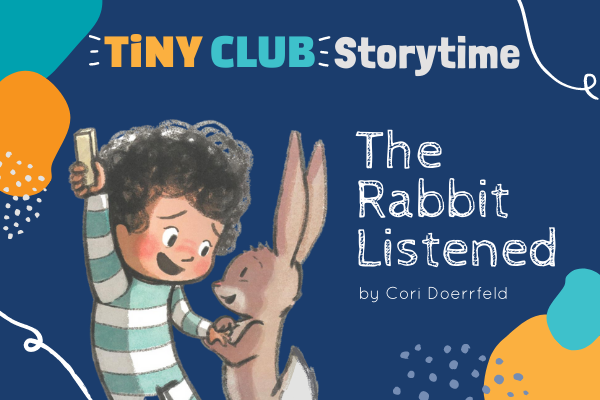
Our August Tiny Club book of the month is Cori Doerrfeld’s The Rabbit Listened. We love this book for many reasons: it gives a realistic look at grief and loss from a child’s perspective; shows the importance of friendship and listening; and provides hope that things will get better. We encourage […]
View Resource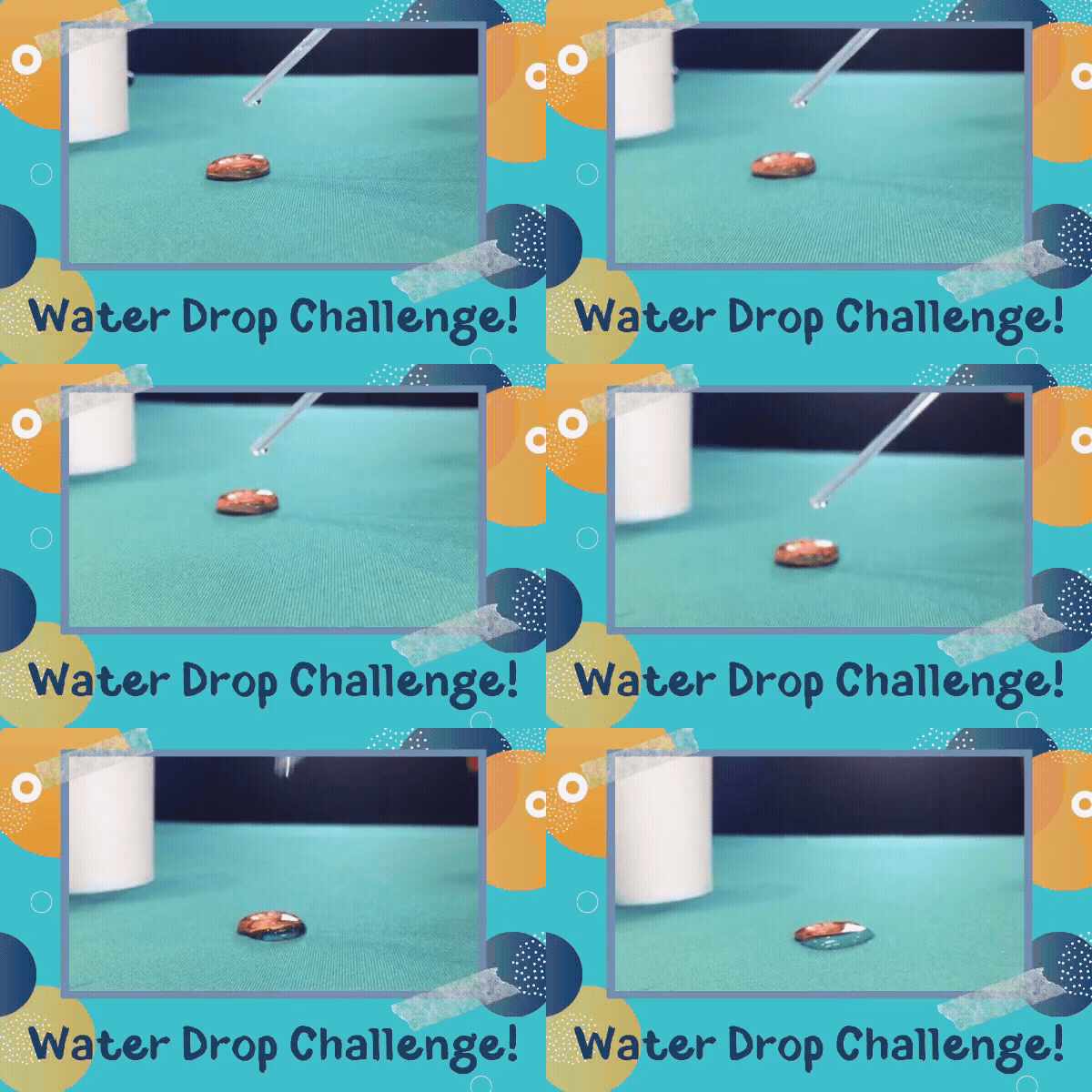
It’s summertime, and that means summer rain showers, glasses of ice-cold water, and maybe even some sprinkler or pool fun. At the Science Bar, we’re busy learning about water and exploring some of its cool properties. Today, we’re sharing one of our activities with you! Here’s what you’ll need: A penny […]
View Resource
“If I let the stars at night paint my blanket with milky light with shapes of hungry birds while I slept outside, imagine what you could do . . .” Imagine by Juna Felipe Herrera In our Tiny Club book of the month, Imagine by Juan Felipe Herrera, we see an illustration […]
View Resource
“If I picked up my honey-colored guitar and called out my poem every day until it turned into a song, imagine” – Juan Felipe Herrera Today we’re making a guitar like the one Juan Felipe Herrera played in his autobiographical children’s book, Imagine! What is a guitar? A guitar is a stringed […]
View Resource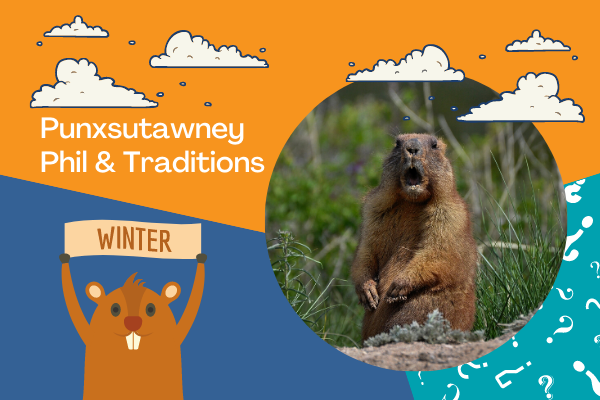
It’s Groundhog’s Day! Today, we rely on the OG meteorologist, a groundhog, also known as a woodchuck, to tell us if there will be 6 more weeks of winter or if spring will arrive early. This rodent, which belongs to the large ground squirrel group known as marmots, has become […]
View Resource
For today’s activity, we’re going to explore density using oil and water, then learn about oil spills as a part of our Earth Week blog posts. Materials & Instructions A clear plastic bottle with a lid Water Oil – vegetable oil, olive oil, or baby oil Food coloring (optional) STEP 1: Fill the bottle […]
View Resource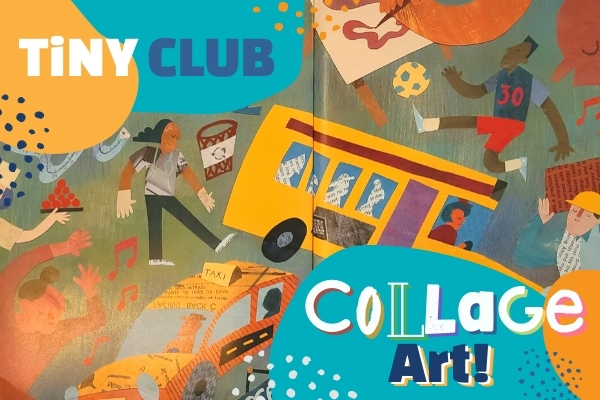
For today’s Tiny Club, we’re going to take a closer look at author and illustrator Oge Mora’s collage art in Thank You, Omu!, our November Tiny Club book of the month. Watch the storytime if you haven’t! – Oge Mora used collage art to make the illustrations, or pictures, for her book. Collage art is when […]
View Resource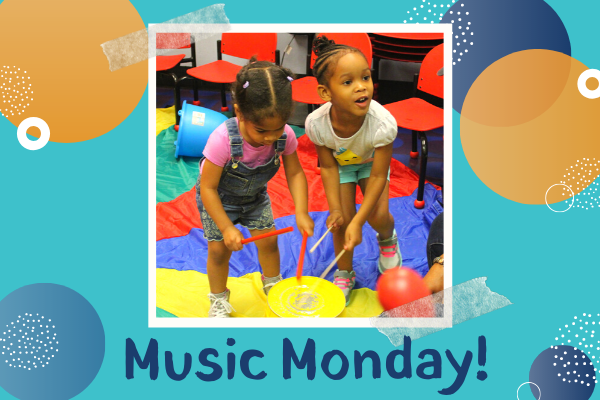
It’s time to make some music! Make a DIY tambourine with us, then shake it to the beat of some fun songs.
View Resource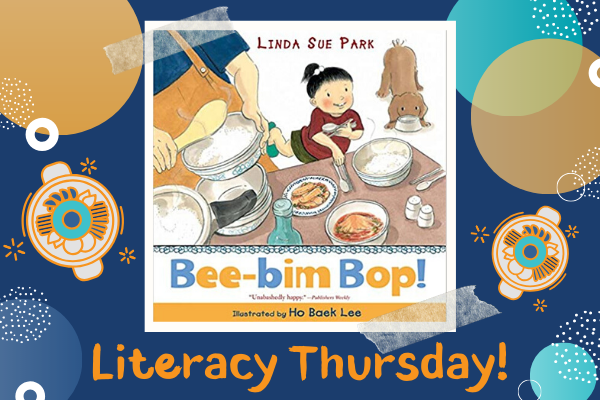
For today’s Storytime, we’re going to read Bee-Bim Bop! and follow along with a Korean-American family as they create a delicious dinner. Bee-Bim Bop! is written by Linda Sue Park and illustrated by Ho Baek Lee. Linda Sue Park is an author, educator, and Newbery Medal winner for her novel A Single Shard. In addition to his work […]
View Resource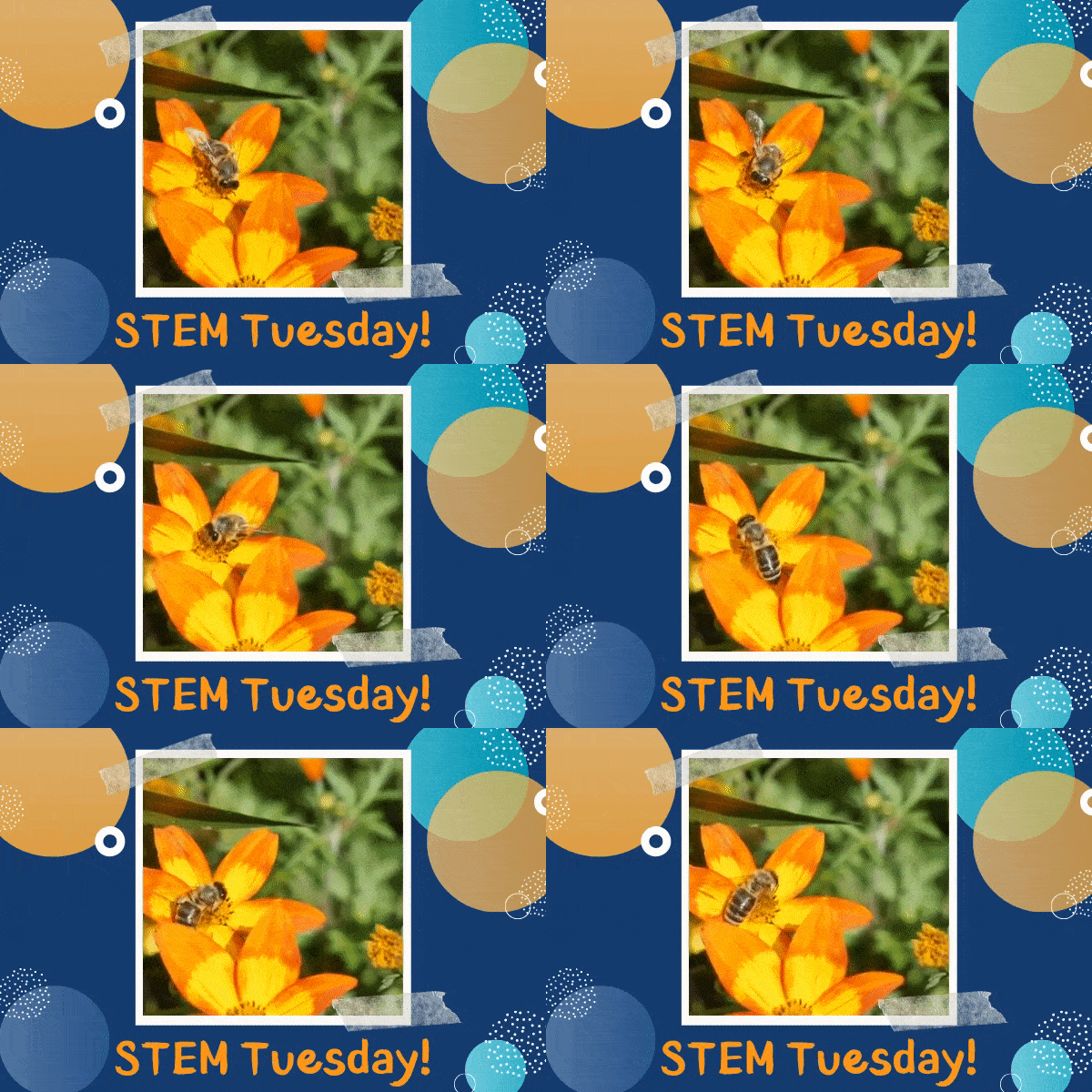
Flowers are blooming all around us! Let’s take a closer look and learn about the different parts of a flower.
View Resource
Sharks are pretty special. In addition to keeping ocean life in balance in their role as an apex predator, sharks are also great swimmers and most have fantastic night vision. Sharks also don’t have any bones – instead, they have cartilage, which is the same material that our ears are […]
View Resource
What are sound waves? How do they travel? Let’s figure it out together! Here’s what you’ll need: Materials & Instructions A metal spoon A metal fork String or yarn A wooden or plastic spoon A ruler or measuring tool STEP 1. First, cut a section of string or yarn that is […]
View Resource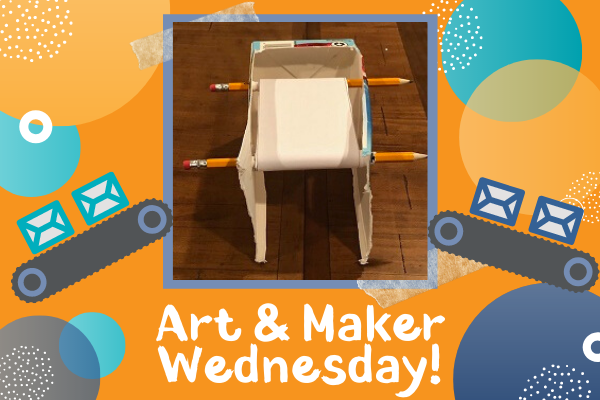
Today we’re going to make a conveyor belt out of a recycled juice or milk carton. A conveyor belt is a machine that transports objects from one place to another. If you’ve visited CMA before, you probably used our conveyor belt to unload boxes from the delivery truck! Conveyor belts […]
View Resource