This blog series is made possible by a grant from the Lilly Endowment, Inc.
In your city or your neighborhood, there are so many different sounds. It could be the sound of birds fluttering their wings, your shoes on the sidewalk, or any number of things happening around you. A simple sound can open a door of wonder and curiosity for a child. Questions like “What tool makes that sound? Why does that car sound different?” can create a seed of learning that can bloom into knowledge.
Age Range: 1+
Cost: Free to $3
What You’ll Need:
• Safe weather
• Listening ears
• Optional: Downloadable Bingo Card
Directions
1. Find time
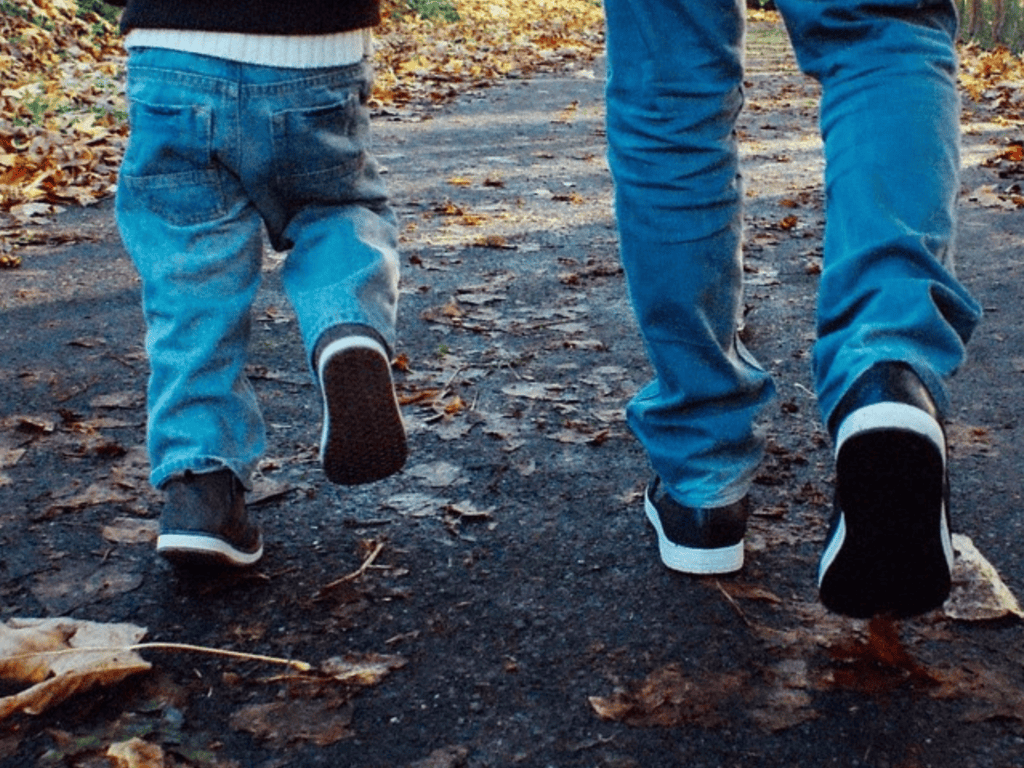
Think about a time of day that would be best for a walk. This mini game can be as long or as short as you would like or need it to be. Remember to check the weather and bring water along. If it is raining lightly outside, that may add a new layer of difficulty to the listening challenge.
2. Find a location
Think about where is the best place for your walk. Some great choices could be the park, a trail, or your own neighborhood. The location can also be places you already go together like the grocery store, school, etc. Take time to pause and listen to the sounds around you.
3. Play
Try to mimic the sounds. See if you or your child can make an impression of that sound. During the walk, ask your child why the objects they see make those noises. Or, if you can’t see the object (like a bird hidden in a tree) ask what kind of animal it might be. Open-ended questions are a great way to encourage curiosity and make a great prompt for imagination.
Curious moment: This is a great opportunity to research fun facts together. Answer questions like “Why do things make the sound they do? What do the sounds mean for some animals?” Feel free to look up the answers online during or after your walk.
Bonus: Download/Print our downloadable sound safari bingo card. See how many different sounds you can find.
Why it Matters: This sound activity helps with developing listening, observation, and descriptive vocabulary skills. It elevates a regular activity (walking outside) into a playful activity that connects them to the world around them. Over time, children can build confidence in identifying sounds.