This blog series is made possible by a grant from the Lilly Endowment, Inc.
Practicing critical thinking can be simple, fun, and practical. The very first thing we need for this activity is a question like “What does this taste like?”
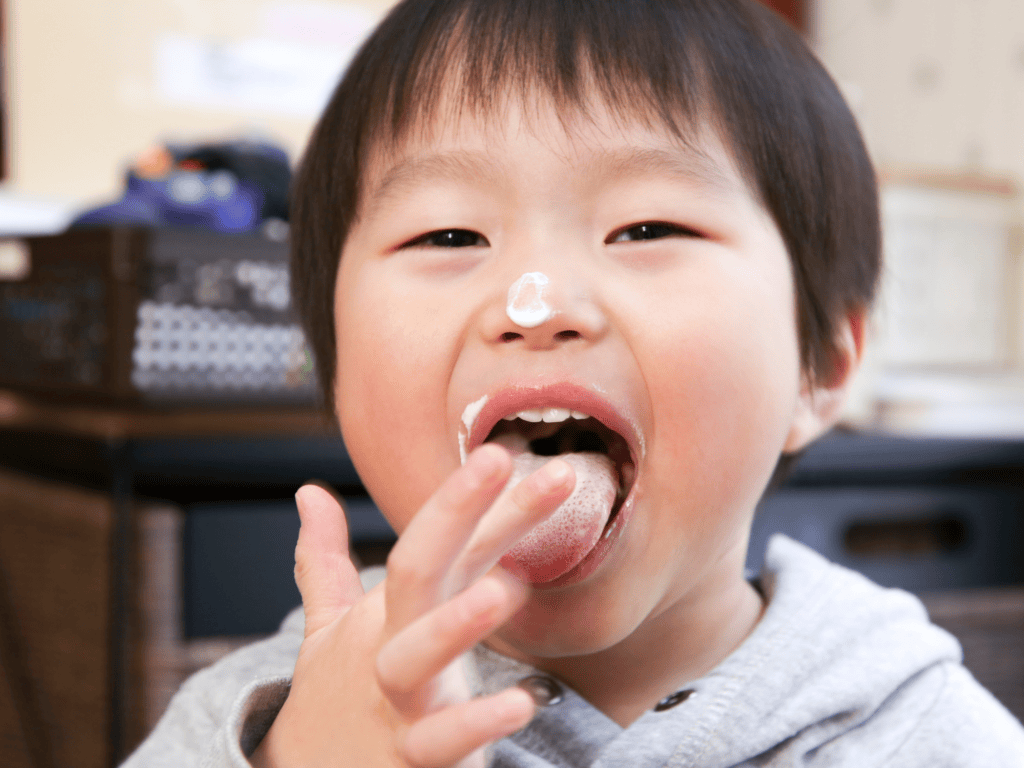
Taste is one of our five senses and is activated with our taste buds, which are the many tiny bumps on our tongue. Our taste buds are amazing and can detect a variety of flavors and textures. The taste buds send messages to the brain that let us know the taste and feel of what we eat.
Age Range: 3+
Costs: Free to $30
What You’ll Need:
• Assortment of snacks (with different tastes)
• Writing utensil
• Paper (Bonus: optional downloadable chart)
Directions
1. Set up
Place an assortment of portioned foods or snacks on a table. Have the writing utensil and paper ready to go. You may want water on the table to help “cleanse the palate” of one flavor before you try the next one.
For an older child, you can use this format for a blind taste test. Instead of your child being able to see the packaging of each item, they can guess what snack they are tasting. You can give them the categories of flavors to make it easier for them to guess.
2. Form a “hypothesis”
Before tasting, write down a list of favorite snacks and what they taste like. Later, you can use this to compare to your taste test.
Critical Thinking Moment: Will the lists be the same or different after you are done with your tasting of the snacks on the table? Compare taste test results against each other to see how different tastes can be.
3. Taste test
Taste a few snacks at a time. After each snack, write down/talk about how you both feel about the taste and texture of the snack. Before moving on to the next snack, rate how you like the flavor of the snack.
4. Compare and contrast
After you have described and rated each snack, read aloud what you have discovered. Find comparisons in what you like and what you do not like. Check to see if your favorite snacks are still your favorite. You might discover something new!
Why it Matters: This activity promotes sensory development and critical thinking. Children can learn about what tastes/textures appeal to them, which don’t, and why they have those preferences. While children are comparing their results, they are practicing evaluation, analyzing their data, and developing descriptive vocabulary.