This blog series is made possible by a grant from the Lilly Endowment, Inc.
A scavenger hunt is a simple and fun way to encourage persistence. Engaging with scavenger hunts encourages children to take a closer look at the environment around them. It will require a lot of time and effort to find, collect, and return all of the animal tracks. This trial-and-error approach will help children build persistence and problem-solving stamina.
Age Range: 2+
Cost: Free to $15
What You’ll Need:
• Painter’s Tape
• Sticky notes
• Writing utensils
• Play area in the house
Directions
1. Draw the footprints
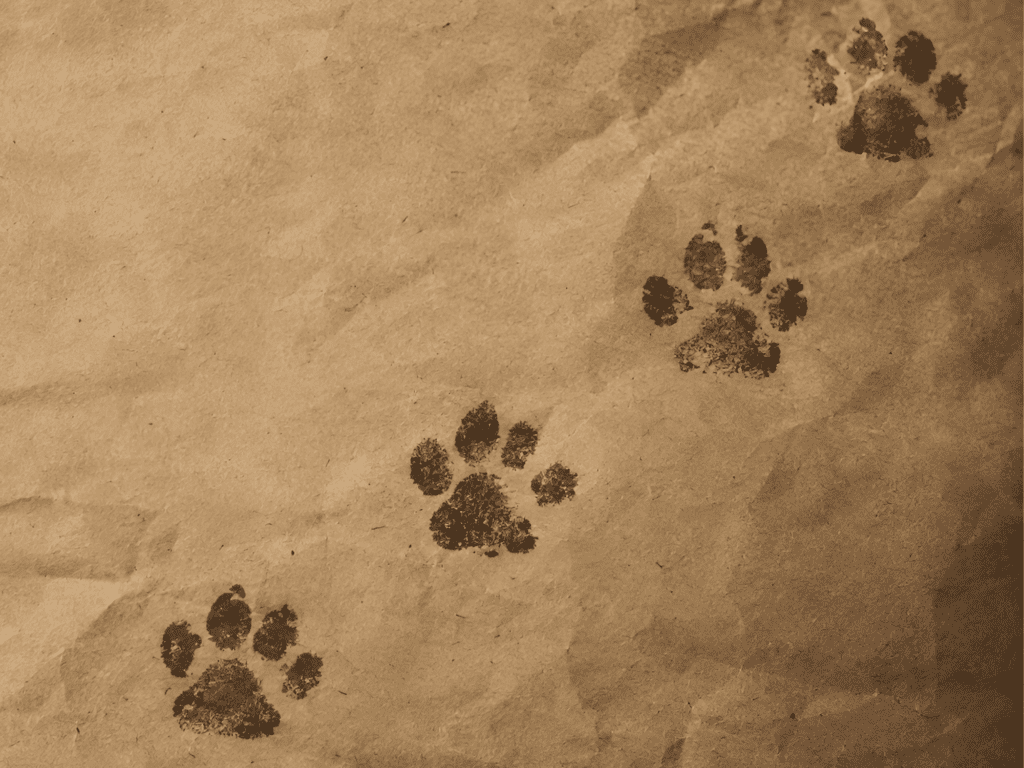
Draw 2 sets of at least 8 animal tracks. One set of animal footprints will be the legend. The other set of animal footprints will be hidden around the house or in areas where it is safe to play. Depending on the age of your child, try to make distinct animal footprints. Here’s a list of unique animal tracks: dog, cat, crow, deer, raccoon, rabbit, squirrel, opossum, and more.
If you want the game to last longer, add more animal tracks!
2. Hide the tracks
Leave one set, the legend, in a central location or “home base.” This is where you want all of the hidden animal tracks to be returned to. The legend should be easily accessible for your child, and there should be space to put the located animal tracks.
Hide the other set around the house. Make sure the hidden set is accessible for your child to be able to collect them. If there are areas of the house off-limits for play, refrain from hiding tracks there. If you want to give hints later, write down where the tracks are hidden.
3. Match them up
Now, it is time to send your child on the scavenger hunt to find the hidden set. When they find the hidden set, have them place them next to the legend to keep track of what they have found. Encourage them to look everywhere they can to promote persistence.
The search can go on for as long as you prefer. If you want to help them wrap up playing, you can give them hints. Try to prioritize giving hints instead of giving answers. When you give hints, you allow your child more autonomy to solve the problem themselves.
Persistence Moment: When the game ends, congratulate their effort. Focus on praising the process of searching rather than ‘winning’ the game. Reflect on moments of frustration and talk them through it.
Why it Matters: Scavenger hunts promote exploration and overcoming obstacles. It is a form of trial-and-error learning that emphasizes grit and rewards persistence. When a child has to persist against unsuccessful attempts, it builds a foundation of confidence that allows a child to feel like they can take on a challenge.